















 Spanish News Today
 Alicante Today
 Andalucia Today



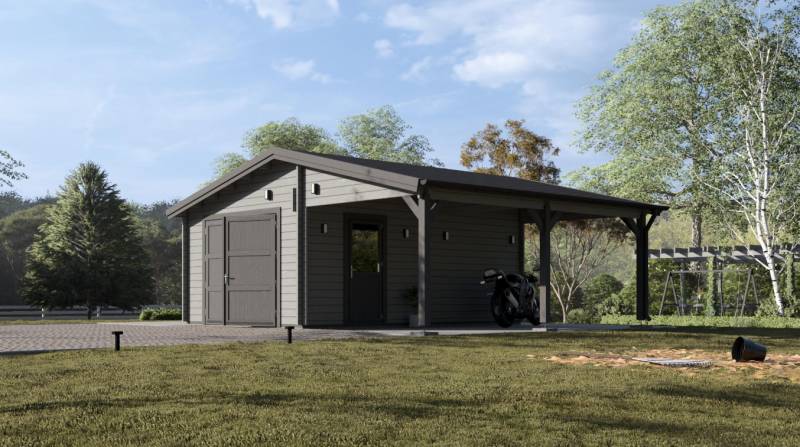 When it comes to choosing a garaje madera (wooden garage) or a traditional garage for your property in Spain, cost, durability, permits and climate are all factors to consider. You have to choose between a traditional concrete or brick structure and a wooden garage, with prefabricated solutions offering an increasingly popular alternative. This guide examines the features of each option in detail to help you choose the best garage for your needs in 2026. A wooden garage is a structure, often prefabricated, designed to house a vehicle or store other possessions. Built from treated wood, it is assembled on-site. In Spain, they are becoming a popular alternative to traditional brick or concrete garages due to their practical and attractive qualities.
A garaje madera offers an attractive combination of cost-effectiveness, quick installation, and natural aesthetics. Their popularity in Spain has grown, especially among those seeking practical and aesthetically pleasing solutions without major construction work.
Garaje Madera: Typical Costs and Installation Times in Spain
The average cost of a prefabricated wooden garage in Spain in 2026 is estimated to be between €200 and €300 per square meter, which equates to a range of €6,000 to €9,000 for a standard 30 m² garage. Installation is remarkably quick, with assemblies that can be completed in 1 to 7 days, and even in 24 hours for basic models.
Cost per m²: €200–€300 for standard prefabricated models.
Total price (30 m²): €6,000 – €9,000.
Assembly time: 1 to 7 days, with basic models in 24–48 hours
Factors that influence the price: Quality of finish, insulation, electrical installations, and automated doors can increase the price.
Garaje Madera: Aesthetic and Personalization Benefits
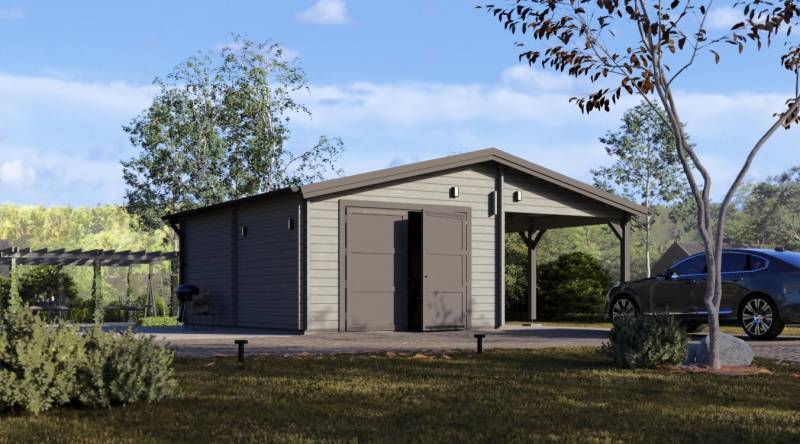
Wood is a material with a natural aesthetic appeal that blends harmoniously into diverse environments, from rural to urban. Its flexibility allows for a high degree of customization, adapting to the owner’s needs and tastes.
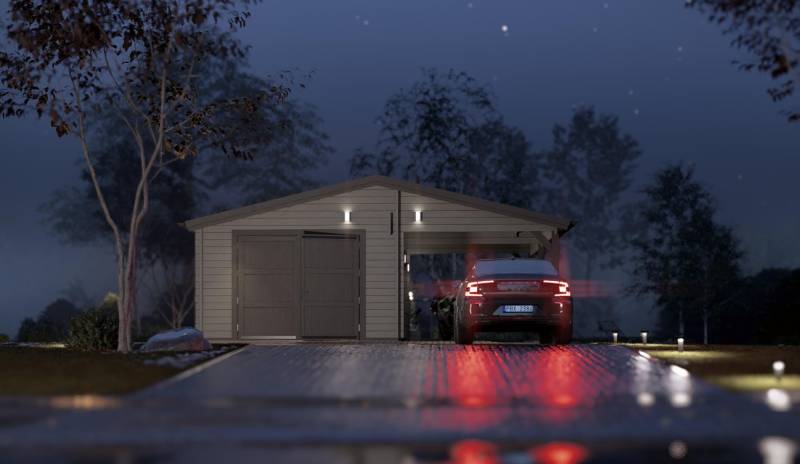 Thermal insulation and energy efficiency of wood in the Spanish climate
Wood is a natural insulator that can provide better thermal performance than concrete or metal, helping to maintain a more stable temperature inside the garage. This translates into a cooler space in summer and a warmer one in winter, optimizing energy efficiency and comfort.
Garaje Madera: Maintenance Requirements and Expected Lifespan
While wood requires maintenance, it is generally less frequent and predictable. Applying a protective finish such as wood stain every 2 to 5 years is recommended, depending on climate.
Properly treated wood can have a lifespan of 20 to 50 years.
Why wood can be an excellent option for Spanish homeowners
Wood is economical, quick to install, and highly customizable. Its potential environmental benefits and insulating properties make it a popular choice in Spain.
Traditionally built garages, constructed with materials such as concrete, brick, or block, are the predominant option in Spain due to their robustness and longevity. However, they involve higher initial costs and longer construction times.
Common materials (concrete, brick, block) and their characteristics
Traditional garages are primarily built with concrete, brick, or cement blocks, which gives them great structural strength. Concrete is especially valued for its durability and ability to withstand heavy loads.
Long-term durability and structural strength
Concrete and brick are materials that offer an exceptional lifespan, often exceeding 50 years and potentially reaching 100 years or more with proper maintenance. This durability makes them ideal for permanent structures and areas requiring high protection.
Limitations Compared to a Wooden Garage (Garaje Madera)
The main limitations of traditional garages are their higher initial cost, longer construction time, and less aesthetic flexibility. They may also require additional insulation to match the thermal properties of wood.
The durability of a garage is a key concern for homeowners, and resistance to Spanish weather conditions varies significantly between wood and traditional materials.
How each type behaves in different Spanish climates (Mediterranean, Atlantic, continental)
Wood can perform well in Spain’s varied climates when it is vacuum-pressure treated with suitable water-soluble preservatives. In humid coastal climates, properly designed ventilated joints are important for preventing moisture retention. Concrete and brick have natural resistance to moisture and temperature fluctuations, making them less vulnerable to damage from biological agents.
Resistance to pests, fire and deterioration
Concrete is inherently resistant to fire and pests, while wood requires specific treatments to protect it from termites, fungi, and rot. Fire safety regulations in Spain require that separations between dwellings and garages be rated EI 60 for dwellings and EI 120 for garages.
 Expected service life with proper maintenance
The lifespan of a concrete garage can range from 50 to 100 years or more with proper construction and maintenance. A garage made of treated wood, with rigorous maintenance, can last between 20 and 50 years.
Typical manufacturer and builder warranties
Guarantees for wooden garages are subject to applicable EU and Spanish consumer protection regulations. In Spain, legal guarantees may vary depending on whether the garage is considered a consumer product or a construction project, as well as the specific terms offered by the manufacturer or builder. Traditional construction projects may also be subject to specific guarantees covering structural defects.
Why modern treated wood can offer long-term durability
Wood treated with vacuum-pressure processes and incorporated into a suitable design can offer excellent long-term durability in many applications, especially if direct contact with the ground or water is avoided.
For many Spanish homeowners, a garaje madera (wooden garage) can offer an attractive balance of cost, installation speed, and aesthetics. Its lower initial investment and assembly time are decisive factors compared to traditional construction.
Key Advantages of a Garaje Madera: Cost, Speed, and Versatility
Wooden garages offer significantly lower construction costs (€200-€300/m²), ultra-fast installation (1–7 days), and aesthetic versatility that allows for easy integration into any environment. Furthermore, their natural insulating properties and ease of repair are practical advantages.
Specific cases where wood stands out in the Spanish market
Wood is ideal for homeowners seeking quick, eco-friendly solutions on a budget, especially in areas where natural aesthetics are valued. It’s also an excellent option for those wanting a multifunctional structure that can serve as a workshop, office, or leisure space.
When to consider traditional construction: limited scenarios
Traditional construction is justified in scenarios where extreme durability without constant maintenance is the absolute priority, or when a highly complex architectural integration is desired that cannot be achieved with prefabricated elements. It is also the preferred option for underground garages or structures that support very heavy loads.